
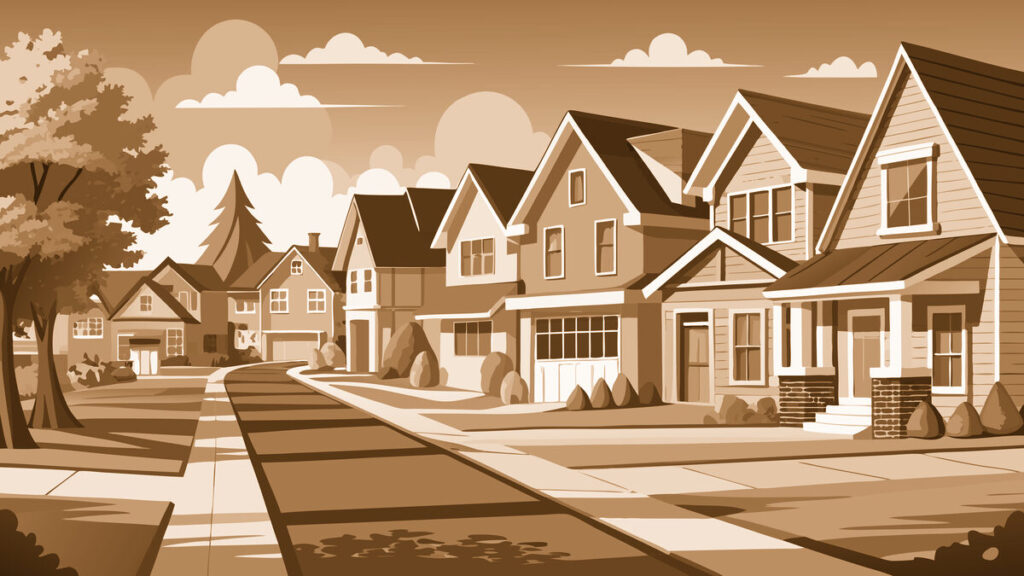
Nestled in the rolling western reaches of Albany, Pine Hills stands out as a neighborhood that seamlessly blends timeless charm, rich history, and the pulse of an evolving city. For over a century, this tree-lined enclave has been more than just a place to call home—it’s a testament to community spirit, architectural distinction, and the subtle magic of local heritage. As any longtime resident will tell you, Pine Hills is woven from stories, each street and building echoing with memories.
Origins and the Name “Pine Hills”
The story of Pine Hills begins in the late 19th century, during a period of tremendous growth in Albany. As the city’s population expanded beyond its bustling downtown, developers looked westward—toward land that, at the time, was thick with pine groves and gently undulating hills. It didn’t take much imagination for those first visionaries to dub the new neighborhood “Pine Hills,” a name that would forever ground the area in its natural setting.
By the turn of the 20th century, this area was being marketed as an ideal place for families: close enough to downtown Albany for commuters, yet far enough to feel removed from the urban grind. The freshly planted maples and elms lining streets like Western Avenue, New Scotland Avenue, and Washington Avenue would later come to frame the neighborhood’s signature shaded walkways.
Key Historical Milestones
Through the decades, Pine Hills has continually evolved, each milestone leaving its mark:
- Early 1900s Suburban Boom: With the establishment of streetcar lines, especially the route running along Madison Avenue, Pine Hills transformed into a “streetcar suburb.” This era saw the construction of many classic single-family homes—many of which remain standing today, with their stained-glass windows and welcoming front porches.
- Albany Public Library – Pine Hills Branch (Opened in 1924): Serving as both a cultural hub and a community meeting point, the Pine Hills Branch of the Albany Public Library on Western Avenue has long been a treasure for residents young and old.
- Establishment of Educational Institutions: The area became home to The College of Saint Rose (founded in 1920) and the adjoining Albany High School (now Philip Livingston Magnet Academy), fortifying Pine Hills’ identity as an educational focal point.
- Mid-20th Century Growth: During the mid-1900s, postwar families flocked to Pine Hills, attracted not just by its housing stock but also by its network of parks, churches, and the burgeoning sense of neighborhood pride.
Landmarks and Notable Buildings
A stroll through Pine Hills reveals more than just handsome homes—it’s a tour of the neighborhood’s layered past.
- The College of Saint Rose: At the heart of Pine Hills on Western Avenue, this storied institution has shaped both the education and the culture of the neighborhood for over a century. Its campus, dotted with historic brick buildings, invites community engagement year-round.
- Pine Hills Library: A landmark for generations, the Pine Hills Library is not only a repository of knowledge but a gathering place for events, lectures, and family activities.
- Madison Theatre: Built in 1929, this Art Deco cinema on Madison Avenue is a beloved relic of Pine Hills’ golden age and—after a major renovation—continues to show films, host special events, and add a touch of nostalgia to the neighborhood’s nightlife.
- St. Vincent de Paul Church: Standing tall on Madison Avenue, the church’s architecture and community outreach programs have made it a cornerstone of local life.
- Ridgefield Park: Tucked along Partridge Street, Ridgefield Park is a leafy haven for everything from pickup basketball games to lazy summer picnics—underscoring the area’s commitment to green spaces.
Streets, Parks, and Institutions
A defining element of Pine Hills is its walkability. Residents find themselves weaving through a graceful network of streets—Lake Avenue, South Allen Street, Partridge Street—each corner revealing a different chapter of neighborhood history.
- Washington Park Extension: Just east of Pine Hills, the famed Washington Park spills its influence westward, connecting residents to one of Albany’s most cherished green spaces.
- Local businesses: Independent groceries, cozy cafes, and family-run shops pepper the neighborhood, particularly along Madison and Western Avenues, contributing to its enduring small-town feel.
- Schools: Pine Hills Elementary, located on North Allen Street, continues the tradition of neighborhood schooling—an anchor for local families.
Evolution Over the Decades
While Pine Hills began as an outlying suburb, today it’s a quintessential urban neighborhood, harmonizing the old and new. Students and faculty from The College of Saint Rose, young professionals, longtime homeowners, and new arrivals all share its shaded sidewalks.
The area has weathered change with resilience. In the last few decades, neighbors banded together through associations like the Pine Hills Neighborhood Association, determined to keep the community safe, welcoming, and vibrant. Historic preservation projects, new public amenities, and family-friendly festivals—all have cemented Pine Hills as one of Albany’s most beloved addresses.
Still, the past lingers in architectural details: the proud brick facades, the mosaic of housing styles (from Dutch Colonial to Craftsman), and the unmistakable neighborliness passed down from one generation to the next.
What Makes Pine Hills Special
Ask anyone who has lived in Pine Hills for some time, and they’ll tell you the same thing—it’s not just the beautiful homes, or the tree canopy, or the proximity to downtown. It’s the sense of community: annual yard sales, porch concerts, communal gardening efforts, and friendly exchanges at the corner stores. This is a neighborhood where people know each other by name, where history isn’t just remembered but lived daily.
In Pine Hills, you feel connected not just to Albany’s storied past but to a living, breathing neighborhood where heritage and belonging intertwine.
Visiting Pine Hills is more than a walk down leafy streets—it’s stepping into a legacy of neighborly pride and enduring local spirit. The pine groves of old may have faded, but their memory flourishes in every corner of this cherished Albany neighborhood.